
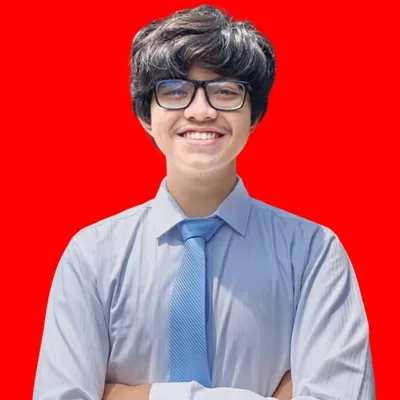
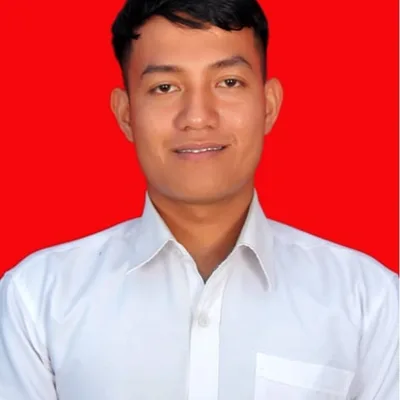
 Imawan I.
Yogyakarta, DI Yogyakarta
Chess Coaching in Yogyakarta
A chess course for kids age 6, teenage hobbyists, and adults looking for a meaningful hobby. Basic rules, tactics, endgame, and openings taught by curated chess instructors. Learn with structure, play with community, grow for a lifetime.
Training with 8 experienced Grandmaster coaches
- Curated Chess Instructors
- Kids and Beginner Friendly
- Active Community
What is Grandmaster Chess Course?
In Yogyakarta, Chess Course runs online via online chess platform with schedules matching student rhythm, plus on-site via traveling coach for intensive sessions. The Grandmaster Chess Course in Yogyakarta is a chess school for every level, serving children starting out, students across the city campuses, and adults keeping chess as a lifelong habit. Sessions run online with on-site options through traveling coaches, guided by curated chess instructors.
- Learn chess from basic rules through intermediate concepts
- Perfect for kids age 6 to 12, teenagers, and adult beginners
- Curated chess instructors, chosen for teaching track record and communication at every level
- Tiered curriculum T1 Beginner through T3 Local Competitive
Chess Players Ready to Climb Rating Through Structure
Chess Mastery is designed for players who want to break out of a rating plateau via a structured path, from fundamentals to endgame. The four profiles below are the most common coaching partners we work with. In Yogyakarta, Grandmaster places you on the right tier from the start.
- 01
Online Player Stuck at Mid-Rating
You are active on Lichess or other online chess platforms with a rating between 800 and 1600, but stuck because you memorise openings without grasping principles. We help you rebuild a positional foundation.
- 02
Former School Chess Player
You used to play in junior or senior high school chess clubs and now want to return seriously as a hobby or even enter local tournaments. We design an efficient comeback path.
- 03
Professional Seeking Brain Training
You are an adult professional who uses chess to sharpen serious decision making. Weekly tactical drills plus Stockfish 16 game reviews make every session measurable.
- 04
Parents Wanting a Competitive Kid
You have a child aged 8 to 14 who already knows the rules and loves chess, and you want to steer them toward school tournaments or even age-group regional championships. We build a rating foundation with a kids-friendly approach.
How We Teach Chess
Yogya players in Chess Course benefit from campus club sparring access and DIY chess community as networking bonus between coaching sessions. Every Grandmaster session blends three pillars: learn, play, grow. You learn concepts, play with your coach and fellow students, then grow within a warm chess community. Structure that stays enjoyable, without pressure.
- 01
Initial Diagnostic
The first session is given to understanding you: your current level, what draws you to chess, and how you prefer to learn. Parents join when the student is a child so the target is agreed together.
- 02
Learn the Fundamentals
What you study depends on where you stand. Beginners take piece rules, basic checkmate patterns, and opening principles, while more advanced students move to tactical themes such as pin, fork, and skewer, the K plus R vs K endgame, and positional ideas.
- 03
Play with Your Coach
Sessions end with a game against your coach at a friendly time control, 15 plus 10 early on and 10 plus 5 later. Feedback follows immediately, while both of you still remember the position.
- 04
Weekly Review
Each week your coach reviews your games with Stockfish 16 and written annotation. The notes become a record you can revisit, which fits the reflective study habits common among Yogya students.
- 05
Grow in the Community
Every student joins the Grandmaster Discord. Monthly internal tournaments, a weekly puzzle race, and chess variant sessions such as Chess960 and King of the Hill sit alongside the campus chess clubs at UGM, UII, UNY, and Sanata Dharma.
Patterns That Keep Chess Ratings Flat
Four obstacles we most often see in amateur Indonesian chess players, plus the fix path inside the Grandmaster Chess Course curriculum. Grandmaster coaches in Yogyakarta walk you through each of these step by step.
- 01
Memorising openings without grasping principles
Why it happensYou drill thousands of opening moves from YouTube, but once the opponent leaves the book, you blank and play random moves.
How Grandmaster helpsOur Fundamentals phase focuses on opening principles (centre, development, king safety) over memorisation. With principles solid, you adapt to any opening.
- 02
Tactical-only, weak positional
Why it happensYou win tactically in the middlegame, but the endgame falls apart because pawn structure and king activity remain unclear. The win condition slips away.
How Grandmaster helpsEndgame Mastery and Tactical and Positional Play phases balance both sides. VOD review per game makes your positional gaps visible.
- 03
No loss analysis
Why it happensYou lose then queue the next game without asking why. The same error patterns recur over hundreds of games and your rating stalls.
How Grandmaster helpsWeekly VOD review with Stockfish plus coach notes turns each loss into concrete lessons. You climb rating through learning, away from raw hours played.
- 04
Time pressure panic, blunder in winning positions
Why it happensYou hold a +3 advantage, but with 30 seconds on the clock you blunder mate-in-2. Mental clock management was never drilled.
How Grandmaster helpsThe Tournament Prep phase targets time management and match psychology. Repeated clutch scenario drills keep you calm in the pressure cooker.
Chess Course Levels in Yogyakarta
A leveled coaching ladder. You move up a tier only after the previous stage is proven solid, so the foundation stays intact.
- 01Age 6 to 12, new to the board
Kids Beginner
- Piece rules with a playful approach
- Basic checkmate patterns
- Simple kid-friendly puzzles
- 02Elo under 800, starting from scratch
Adult Beginner
- Full rules and notation
- Opening principles
- Checkmate patterns
- 03Elo 800 to 1200, starting to stabilize
Club
- Tactical themes: pin, fork, skewer
- Fundamental endgame K plus R vs K
- Analyzing your own games
- 04Elo 1200 to 1600, ready for school and club tournaments
Local Competitive
- Basic opening repertoire
- Positional play introduction
- Community tournament simulations
- 05Elo 1600 plus, wants to go competitive
Ready for Competitive Chess
- Transition to the Competitive Chess program
- Regional tournament preparation
- Mature repertoire
Four Chess Learning Modules in Yogyakarta
- Module 0101
Chess Fundamentals
The starting module for anyone new to the board, children included, covering rules, piece values, opening principles, and checkmate patterns.
- Full rules and standard notation
- Piece values and trade evaluation
- Opening principles: center, development, king safety
- Checkmate patterns: back rank, smothered, and ladder mate
- Module 0202
Tactical Play
Tactical instinct built through repetition: pin, fork, skewer, and discovered attack, worked through theme-based puzzles until the shapes are familiar.
- Twelve basic tactical themes
- Two to three-move combinations
- Puzzles rated online chess platforms 800 to 1400
- Simple sacrifice analysis
- Module 0303
Endgame Basics
The endgames that appear most in real games: K plus R vs K, opposition, ladder mate, and basic pawn endgames, studied until the method is reliable.
- K plus R vs K ladder mate
- K plus Q vs K technique
- Pawn endgame opposition and square rule
- Fundamental knight vs bishop tradeoff
- Module 0404
Opening Principles
Universal opening principles and a beginner repertoire for children and new players, taught as concepts you can reason from.
- Center, development, king safety principles
- White beginner repertoire (Italian, London System)
- Black beginner repertoire (Caro-Kann, Slav)
- Transition from opening to middlegame
Grandmaster Chess Course in Yogyakarta
Yogyakarta is a student city with a long chess tradition and the densest campus community in Indonesia. UGM, UII, UNY, and Sanata Dharma all have student chess clubs that are regular sparring grounds. PERCASI DIY runs monthly tournaments that become the arena for local rating climbs. Chess cafes around Malioboro and UGM are old-city community sparring venues. Yogya players have analytical and collaborative character, fitting positional play and per-game reflection journals.
01
Densest Campus Chess Clubs
Yogya players active at UGM, UII, UNY, or Sanata Dharma chess clubs benefit from curriculum structure targeting positional and endgame concepts.
02
DIY Chess and Malioboro Community
Malioboro chess cafes, PERCASI DIY clubs, and monthly tournaments are sparring grounds for players wanting to climb regional FIDE ratings.
03
Analytical Student Character
Yogya student players who are patient and analytical fit well with positional play curriculum and per-game reflection journal, part of Learn-Play-Grow method.
Areas served
- Sleman
- Depok Sleman
- Umbulharjo
- Kotagede
- Mlati
- Banguntapan
- Gondokusuman
Who Fits the Chess Course
Yogya players ready to commit evening sessions plus weekly reflection journal are ready for this program in full. Three profiles fit the Grandmaster Chess Course best. If you are in the serious competitive segment, check the Competitive Chess program.
- 01
Kids and Parents
- Kids age 6 to 12 who want to learn chess
- Parents looking for a meaningful hobby for their child
- Great for brain training through play
- 02
Teen and Adult Beginners
- Online rating under 1000 or no rating yet
- Just starting to learn chess from scratch
- Looking for a lifelong new hobby
- 03
Casual Improver
- Online rating 1000 to 1400, wants to climb consistently
- Already plays but stuck at a certain rating
- Not yet targeting serious tournaments
Curated Grandmaster Chess Instructors in Yogyakarta
A curated roster of chess instructors ready to coach in Yogyakarta and online.
- Imawan I.
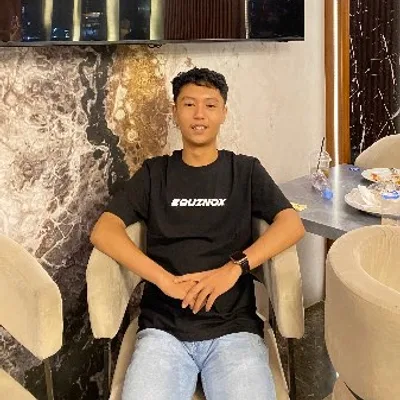 Rahmat M.
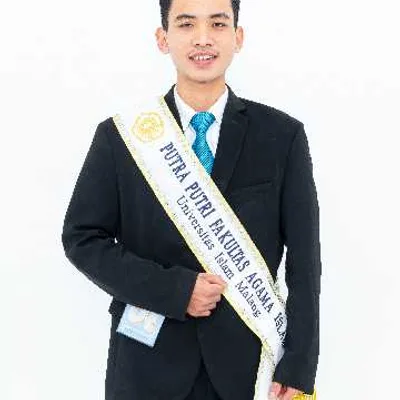 Ari A.
 Edi E.
 Kaori K.
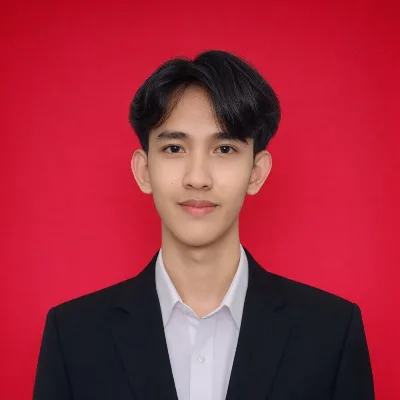 Tito P.
Chess Course vs Learning Alone vs Chess App
Compared to solo practice in the campus scene, Grandmaster provides T1 through T5 ladder structure plus Stockfish review that makes growth measurable with clear Elo targets. Learning chess alone via YouTube or apps can work, but it is slow without clear direction. An honest comparison below.
- Recommended
Grandmaster Chess Course
- Weakness diagnostic
- Personal at first session plus weekly review
- Personalisation
- 1-on-1 coach who understands your style
- Game feedback
- Curated instructor plus Stockfish 16 annotation
- Quality sparring
- Coach and tier-matched community
- Community
- Grandmaster Discord, internal tournaments
- Time from zero to Elo 1200
- 4 to 8 months consistent
Learning Alone (YouTube)
- Weakness diagnostic
- None, guessing solo
- Personalisation
- Generic videos for everyone
- Game feedback
- Solo, sometimes engine review
- Quality sparring
- Random online pool
- Community
- Solo, depends on other communities
- Time from zero to Elo 1200
- 12 to 24 months without direction
Premium akun online
- Weakness diagnostic
- Generic from rating and Insights
- Personalisation
- Algorithm recommendations
- Game feedback
- Generic Insights and puzzles
- Quality sparring
- Random matchmaking
- Community
- Online chess platform clubs, depends on who joins
- Time from zero to Elo 1200
- 8 to 16 months depending on effort
Chess Coaching Tuition in Yogyakarta
Each session runs 60 minutes. Pricing is the same for online nationwide and on-site across 10 tier-1 cities. Larger packages cost less per session.
- Most Popular
Or pay per session: Rp83.800 online, Rp97.300 on-site.
Why Learn Chess at Grandmaster?
- 01
Curated Chess Instructors
Every Chess Course instructor is curated on teaching track record and clarity of explanation, prepared to take students from first lesson through to advanced study.
- 02
Kids and Beginner Friendly
Instructors are chosen from those who regularly teach children aged 6 to 12 and adult beginners, with a patient and playful approach that leaves no room for judgement.
- 03
Stockfish 16 Review
Every game is reviewed with Stockfish 16, the strongest chess engine. The written notes stay with you as study material between sessions.
- 04
Tiered Curriculum
The ladder runs T1 Beginner, T2 Club, T3 Local Competitive, each with an Elo target and a focus, so the next direction of study is always clear.
- 05
Community Welcoming All Ages
The Grandmaster Discord welcomes children through adults, with monthly internal tournaments, a weekly puzzle race, and chess variant sessions that make the game social.
- 06
Flexible Online and On-Site
Online sessions run via an online chess platform with screen-share, and on-site sessions reach Yogyakarta through traveling coaches when a deeper week is needed.
- 07
Active Campus Sparring
Access to UGM, UII, UNY, and Sanata Dharma chess clubs as sparring grounds for players serious about rating climbs.
- 08
PERCASI DIY Career Path
Yogya's active chess community is a gateway for chess players serious about climbing FIDE ratings and preparing for national events.
Common Chess Course Questions
My child is only 6. Can they join?
Yes. Grandmaster has coaches who regularly teach kids age 6 to 12. The approach is playful: visuals, stories, and simple puzzles. Parents join the first session so you know the approach and learning targets for your child.
I'm just starting to learn chess. Is it right for me?
Absolutely. The Chess Fundamentals module is designed for players truly starting from scratch. Within the first 8 to 12 sessions you'll understand the rules, basic opening principles, and checkmate patterns. Coaches are patient with adult beginners.
What's the difference between Chess Course and Competitive Chess?
Chess Course is for beginners through casual improvers (Elo under 1600) learning from scratch or climbing consistently. Focus on fundamentals, meaningful hobby, and community. Competitive Chess is for competitive players (Elo 1200 plus) seriously chasing online rating or tiered tournaments like regional and national events.
Online via what? Online chess platforms?
Both work. Analysis and sparring sessions are usually on online chess platform with screen-share via Discord voice. If you don't have an account, your coach helps set it up in the first session. For kids, we recommend a child-friendly online chess platform with tiered puzzles and visual lessons.
How do you measure progress?
Three indicators: online chess platform rating (tracked monthly), tactical puzzle rating (targeted to rise weekly), and weekly homework reviewed by your coach. Formal progress review every 4 to 6 sessions, with parents included for kids.
How long until ready for school or club tournaments?
For a kid starting from scratch, usually 4 to 6 months until ready for beginner school tournaments. For adults starting from scratch, 6 to 9 months for amateur city tournaments. The key is consistent weekly sessions and self-study between sessions.
I'm a UGM student in the chess club, does Chess Course fit inter-university tournament prep?
Very much. T3 Local Competitive in Competitive Chess targets opening repertoire and positional play, bottlenecks in inter-university tournaments. Coaches are FM or IM with tournament experience.
Can you coach chess for PERCASI DIY tournament prep?
Yes. Competitive Chess targets personal opening repertoire, endgame technique, and tournament mental prep relevant for regional events. Dedicated tournament prep sessions available ahead of events.
Are Chess Course sessions in Yogya available in-person?
Available. Yogya in-person sessions run via traveling coach for intensive sessions. Many Yogya students combine in-person and online sessions via platform online for class schedules.
Can elementary school kids in Yogya join Grandmaster chess coaching?
Yes. Afternoon slots after school available, in-person Sleman or Umbulharjo via traveling coach. Combination of puzzle race and basic drills for kids age 6 to 12.
Do Yogyakarta instructors understand campus scene?
Yes. Instructors selected from pool familiar with student rhythms and DIY inter-university tournaments. Sessions can focus on campus tournament prep or Kejurda DIY.
Train From Anywhere
Online Classes
Across Indonesia
Interactive online sessions via Discord plus screen-share, from anywhere with stable internet.
In Person
Coach is ready to train in person in these cities via traveling coach.
- Yogyakarta
Start Today
Ready to Start Your Chess Journey?
A free 60-minute demo session. Your coach meets you (or your child), aligns on learning targets, and recommends the right package. Yogya players can start with a free 60-minute online demo to audit your online rating and opening repertoire, first session free.
Limited demo slots: 8 per week.